Solveigs Sang (Solveig’s Song) 素爾菲克之歌

Solveig’s Song (Norwegian: Solveigs sang), is sung by Solveig (soprano) in the fourth act of the famous Norwegain composer Edvard Grieg‘s original Peer Gynt Op. 23, and for Suite No. 2, Op. 55, which was written as incidental music for inclusion in Henrik Ibsen‘s play Peer Gynt. (http://en.wikipedia.org/wiki/Peer_Gynt)

Song setup: In “Per Gynt” (original Norwegian spelling), Solveig (soprano), who has been abandoned by Per Gynt, sings that she will wait for him, just as she promised. If he awaits her in heaven, then she will meet him there.

Renditions by:

Marita Solberg (Norwegian) 2006 – http://www.youtube.com/watch?v=PO-lweEDKGg ; and Lucia Popp (Slovak) – sung in German http://www.youtube.com/watch?v=aU0WNE14RAY

YK’s remarks:  Both sopranos sing beautifully, though the original Norwegian lyrics may sound more authentic over another foreign language (German).  The melody is haunting, which fits the nordic scene of fjords and story of the adventurous character of Peer Gynt. 

Since we are on Grieg, Norway’s most famous composer, also listen to his ‘Peer Gynt’ Suite No. 1, Op. 46 – ‘Morning’ at http://www.youtube.com/watch?v=qAMLCDnCLzs&feature=related.  You may appreciate the mastery of Grieg’s orchestration depicting his native land.  It reminds me of the beginning of  Rossini’s “William Tell” overture (http://www.youtube.com/watch?v=_3K4uJQaQD4&feature=related).  They both describe morning tranquility, Grieg using woodwinds and Rossini, a solo cello. However, in the second segment of the “William Tell” overture (http://www.youtube.com/watch?v=utDlBcPgjrk&feature=related), Rossini switched from the cello to woodwinds in the initial bars for the calm and charm of morning song birds in Tell’s Switzerland.  Music is a universal language.

The original Norwegian lyrics and translation below is from: http://www.norwegianmelodies.com/translations.htm#15

Kanske vil der gaa
Baade vinter og vaar,
Baade vinter og vaar
Og næster sommer med,
Og det hele aar,
Og det hele aar,
Men engang vil du komme,
Det ved jeg vist,
Det ved jeg vist,
Og jeg skal nok vente,
For det lovte jeg sidst,
Det lovte jeg sidst.
Gud styrke dig,
hvor du i verden gaar,
I verden garr,
Gud glæde dig, hvis du
For hans fodskammel staar,
For hans fodskammel staar.
Her skal jeg vente
Til du kommer igjen,
Du kommer igjen;
Og venter du hist oppe,
Vi træffes der, min ven,
Vi træffes der, min ven.
Perhaps there will go
Both winter and spring,
And next summer also,
And the whole year,
And the whole year,
But onetime you will come,
I know this for sure,
And I shall surely wait,
For I promised that last,
I promised that last.God strengthen you,
Where you go in the world,
You go in the world,
God give you joy if you
Before his footstool stand,
Before his footstool stand.
Here shall I wait
Until you come again,
You come again;
And if you wait above,
We’ll meet there again, my friend,
We’ll meet there again, my friend.
 

 See also http://en.wikipedia.org/wiki/Solveig%27s_Song for an alternate translation. 

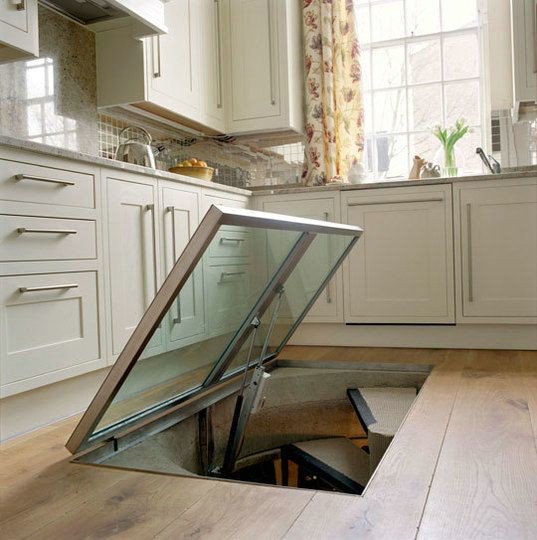
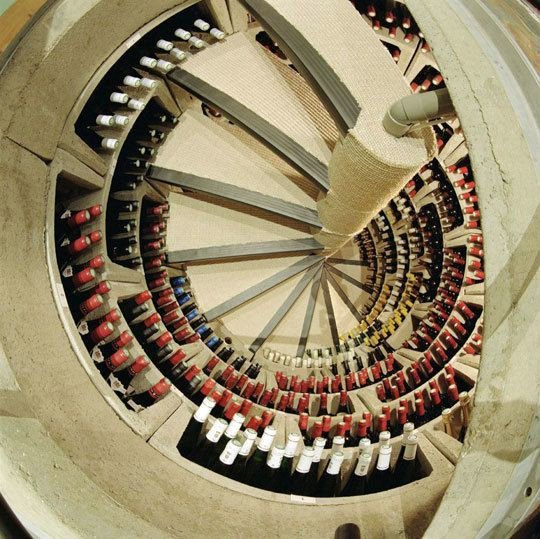
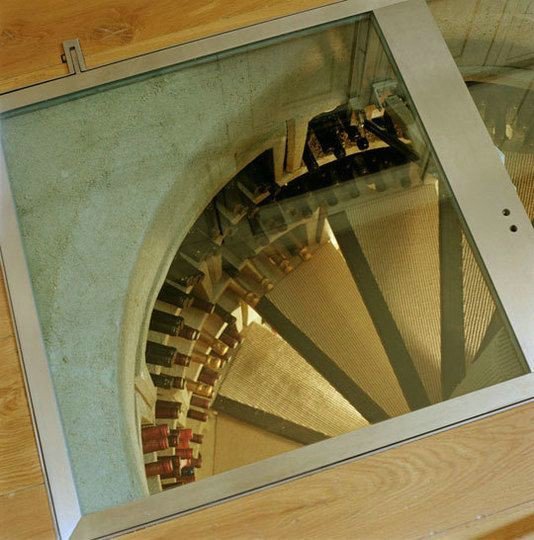
Wine Cellar in the Kitchen

Next Project – a Wine Cellar in the Kitchen!!

Plus…THe Benefits of Wine Continue reading

時光旅客之謎

(Through Rose Coloured-Glasses)

天下事真是無其不有。專家們剛開始相争分析 ROB FORD 之謎, 今天, 又有新的怪事: 時光旅客之謎。

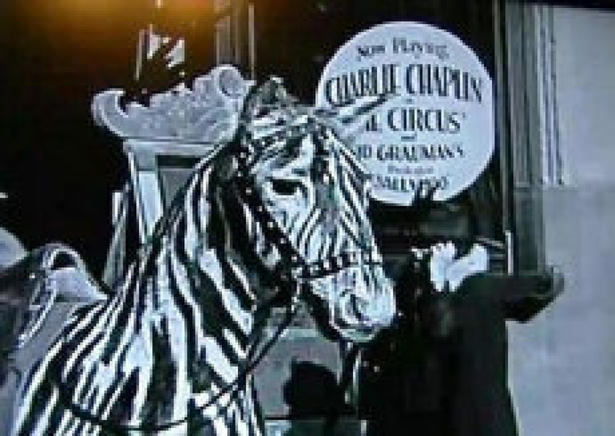
諸君請先看看這相片, 是来自查理卓別林的電影: 馬戲班。在右邉, 有位女士, 邉行邊在講話; 她的左手, 好像是拿着一副講機之類的物件。當然, 這現象, 在今天, 巳是大行其道, 不會再使人大驚小怪, 但這電影是在 1928 年拍攝的。

記得小的時候, 在香港街頭, 碰上有人手舞足蹈, 自言自語, 早就避之則吉焉, 那是個狂人, 儍婆。但今天, 我們經常都會碰上有人, 邉走邊跟自己説話, 也會手舞足蹈, 旁若無人, 那人只是在煲電話粥而焉。

再回頭看看那張相片, 那婦人是否真的? 這只是現代錄影技術的製作, 或是一位時光旅客? 或是 Back To The Future 25 週年紀念的宣傳 還是讓讀者諸君来自行決擇。

陸游的山水史詩

陸游的山水史詩                                      江紹倫

記實詩風

陸游所處的南宋社會,戰火遍燃,國家分裂,民族矛盾,宋帝國的半壁河山淪於異族統治之下,皇帝苟且偷安,無力反抗。他自小即立下“上馬擊狂胡,下馬草軍書”的壯志,可惜,他報國無猶,一生在壯志難酬的景況中度過歲月,深感悲哀,卻又無可奈何。

    他曾經投筆從戎,在軍中過了不少歲月,卻無補於事。晚年罷歸山陰故鄉,拾回他早年既熱愛田園生活的情趣,寫下綺麗情玉的山水詩篇。一般教科書介紹的陸游,給他冠上“愛國詩人”的稱號。實在從他遺下的一萬首詩中,大半是寫山河風景人情的實錄詩。包括他寫軍中生活,戰地人民的災難,及他抒發豪情的唱吟,陸游實在通過自己的經歷和感想,記錄了宋朝史實的一面。今天,我們選讀一本《劍南詩稿》,在欣賞美詩的同時,即如概覽末朝宋史一樣。而作為一位卓越詩人,陸游應該戴上《田園詩人》的稱號更為貼切。

閱讀全文

Bell Song–Soprano aria “Où va la jeune Indoue” from Lakmé

 法语歌剧<菈克美>中“铃之歌” 女高音咏叹调

Lakmé is an opera in three acts by Léo Delibes to a French libretto by Edmond Gondinet and Philippe Gille, based on the 1880 novel Rarahu ou Le Mariage de Loti by Pierre Loti [Source: http://en.wikipedia.org/wiki/Lakm%C3%A9]

Natalie Dessay’s Bell Song

The bazaar scene


Setup for the aria: In the Act II bazaar scene, Nilakantha (bass, a Brahmin priest) forces his daughter Lakmé (soprano) to sing (Bell Song/Air des Clochettes) in order to lure their home trespasser into identifying himself.

Watch the amazing performances by Maria Callas:

http://www.youtube.com/watch?v=MTgEuwvTIGU

Natalie Dessay:

http://www.youtube.com/watch?v=ju-oCQxZ9hs&feature=related

Joan Sutherland [recently diseased]:

http://www.youtube.com/watch?v=VSC3zkjRcSc

and Sumi Jo (in concert):

http://www.youtube.com/watch?v=YAj9R3BwhCw


 Tr. YK Chan  陈耀国譯

Où va la jeune Indoue,
那個印度少女上那兒去,
Filles des Parias,
那賤民的女兒,
Quand la lune se joue,
当月亮出现,
Dans le grand mimosas?
在高大的红絲樹中?
Elle court sur la mousse
她跑到苔藓上

Et ne se souvient pas
又忘记了

Que partout on repousse
她到处被人避开
L’enfant des parias;
就因为她是賤民的孩子;
Le long des lauriers roses,
走过红月桂树,
Revant de douce choses, Ah!
夢想着甜蜜的东西,啊!
Elle passe sans bruit
她无声的走过
Et riant a la nuit.
对黑夜欢笑着。
Labas dans la foret plus sombre,
在那边更黑暗的树林裡,
Quel est ce voyageur perdu?
誰是那個迷途旅客?

 Autour de lui
他的周圍
Des yeux brillent dans l’ombre,
的黑影中有目光闪烁着,
Il marche encore au hasard, e perdu!
他在迷惑中流蕩迷路了!

Les fauves rugissent de joie,
猛兽欢乐地狂哮,
Ils vont se jeter sur leur proie,
牠们要仆上受害者,
Le jeune fille accourt
那少女奔上
Et brave leur fureurs:
勇抗牠们的狂怒
Elle a dans sa main la baguette
她手握魔棒
ou tinte la clochette des charmeurs!
拷响魔术師的铃子!
L’etranger la regarde,
那陌生人瞧着她,
Elle reste eblouie.
她茫然站着。
Il est plus beau que les Rajahs!
他比所有的印度王子俊美!
Il rougira, s’il sait qu’il doit
他会臉紅,假若他曉得他欠了
La vie a la fille des Parias.
那賤民女兒救她一命。
Mais lui, l’endormant dans un reve,
但是,他哄着她进睡夢中,
Jusque dans le ciel il l’enleve,
把她送上天堂般,
En lui disant: ‘ta place et la!’
又跟他说:”你的位置就在那兒!”
C’etait Vishnu, fils de Brahma!
他是维濕奴,婆罗门的兒子!
Depuis ce jour au fond de bois,
从那天起在树林深处,
Le voyageur entend parfois
那亇旅客有时候聽到
Le bruit leger de la baguette
魔棒的輕动声
Ou tinte la clochette des charmeurs! 拷响魔术師的铃子!

Flower Duet “Sous le dôme épais” from Lakmé

法语歌剧<菈克美>中女高音“花之二重唱”

Lakmé is an opera in three acts by Léo Delibes to a French libretto by Edmond Gondinet and Philippe Gille, based on the 1880 novel Rarahu ou Le Mariage de Loti by Pierre Loti. 

Setup for the duet: In Act I, Lakmé (soprano, a Brahmin priest’s daughter) and her servant Mallika (mezzo-soprano) went to the river to gather flowers. 

Watch a scene snippet at: http://www.youtube.com/watch?v=b4REoUjaGBE&feature=related [by Sutherland (recently diseased), Tourangeau, 1976]

See a beautiful concert rendition by the Korean sopranos, Sumi Jo & Ah-Kyung Lee, in 2008:

http://www.youtube.com/watch?v=U4MmatVblDk&feature=related

Tr. YK Chan  陈耀国譯

Sous le dôme épais  在厚穹怒放中
Où le blanc jasmin  的白茉莉
À la rose s’assemble  和玫瑰同聚
Sur la rive en fleurs,  于河滨花叢裡
Riant au matin  正在晨早欢笑
Viens, descendons ensemble. 來,我们一起下去。

Doucement glissons de son flot charmant  跟迷人的波涛悠然昇起
Suivons le courant fuyant  我们随着河水飘流
Dans l’onde frémissante  于闪烁的波浪中
D’une main nonchalante  一只手閒然
Viens, gagnons le bord,  伸出,达到岸边,
Où la source dort et  在春眠处,
L’oiseau, l’oiseau chante.   鳥儿,鳥儿歌唱着。

Sous le dôme épais  在厚穹怒放中
Où le blanc jasmin,  的白茉莉,
Ah! descendons 啊!我们一起下去
Ensemble! 一起下去!

A good deal

Today…the first time I tried the Megabus from Toronto to Montreal.

My comments?   Excellent….value for the buck.

Bus…

  • Cabin clean and comfortable, comparable with the luxurious tourist buses.  Each row has its own supply of garbage bags.
  • Toilet sparkling clean
  • Stable….like riding on a Go Train
  • Double-decker.  Stairs easy to climb.  How often can we see the fields from 10 feet above ground while driving on Highway 401?
  • Driver is courteous.   Announcement of the itinerary (stops, time of arrival etc.) was made prior to departure.
  • Luggage stowed in cabin above ground….no fear of people grabbing it when the luggage cabin door is open.  The driver or porter has to take the luggage out for you.
  • Unlike the newspaper vans (the most economical way in the old days to travel to/from Toronto and Montreal), these buses have insurance for the passengers.
  • But above all, it’s very economical.  For Can$53.63, it’s a round trip to/from Toronto-Montreal.  If one leg of my trip is not on a Sunday, it’s another $10 less!  Imagine…the fare from Montreal to Quebec City (less than the half the distance between Toronto and Montreal) by Greyhound is close to US$100!!
  • Duration?  About 7.0 hours including 0.5 hours stopover in Kingston.   If I were to drive, I would take the same amount of time if not more.   In addition, we all have a tendency to speed.  Why risk the speeding ticket and the demerit points?

Try the Megabus if you haven’t.  Let someone do the driving while you doze off or enjoy the scenery on the road.

Moreover, you can pick up a free Toronto Star (at bus aisle #1 in Toronto) before boarding the bus.

Megabus….a good deal.   I wonder how they sustain their business (with quite a number of runs each day) with only 25 passengers in our run? 

I will try it the next time I go to New York City instead of taking the train or the plane.

BTW….  There are also the $1 deals in the Megabus.  These are not scams.  But these $1 seats are limited and are available only in certain runs (e.g. red-eye) during their promotion period.   I’ve checked the site years ago when they advertised the $1 deal and I did find some seats.  People have tried the $1 deal going down to Philadelphia (from Toronto).

12 Top Excuses Not to Vote

(Through Rose-Coloured Glasses)

  1. I am from China, no need
  2. I am new in the neighbourhood, cannot find the voting station
  3. I am in a hurry, next time for sure
  4. Last time I vote, Harper became PM
  5. My mother hasn’t told me who to vote for
  6. You get Rob Ford anyway
  7. I hate to see anyone losing
  8. Too many choices, can’t make up my mind
  9. The dog ate the voting card
  10. I am casting a protest vote by not voting
  11. I am all for, BTW what are they voting anyway
  12. Justin Bieber is not running

“Vesti la giubba” [穿上你的戏服] Ruggero Leoncavallo (1857-1919; It.)

Vesti la giubba (Put on the costume) is a famous, moving and passionate tenor aria of the opera I Pagliacci (The Clowns), written and composed by Ruggero Leoncavallo.

Aria introduction: The actor, Canio, discovers his wife’s (Nedda’s) infidelity, but still must prepare for his performance as Pagliaccio the clown because ‘the show must go on’.

Historical recordings by Enrico Caruso:  http://www.youtube.com/watch?v=RL7wdUPXpiM

An outstanding performance of the scene by Franco Corelli in 1954:

http://www.youtube.com/watch?v=EIVbZtwRqIM&feature=related

Tr. YK Chan 陈耀国译

Recitar! Mentre preso dal delirio, 演戏吧! 在迷妄中,
non so più quel che dico, 我已不晓得自己说什么
,
e quel che faccio! 做什么!

Eppur è d’uopo, sforzati!
但是, 我仍然要尽力而为!
Bah! Sei tu forse un uom? ! 你还不是个男子汉吗
?
Tu se’ Pagliaccio! 你是个小丑!


Vesti la giubba, 穿上你的戏服,
e la faccia infarina. 涂上你的脸粉.

La gente paga, e rider vuole qua.
人们付了钱, 都想在此笑一顿.
E se Arlecchin t’invola Colombina, 若果那丑角偷去你的爱人
,
ridi, Pagliaccio, e ognun applaudirà! 笑吧, 小丑, 观众便会喝彩
!
Tramuta in lazzi lo spasmo ed il pianto 把你的悲叹和眼泪变作玩笑,

in una smorfia il singhiozzo e ‘l dolor, Ah! 哀痛和饮泣变作笑脸, !

Ridi, Pagliaccio, 笑吧, ,
sul tuo amore infranto!
笑你破碎了的爱!
Ridi del duol, che t’avvelena il cor! 笑毒害了你心脏的哀伤!

重陽雜感___江紹倫

時間智慧

            〝一年容易又中秋〞這句話是許多人愛感嘆的,感喟人生走過了三分之二的時光,剩下日子無多。其實,中秋過後不到一個月便是重陽,中國人拜祭先人的時份,卻是喜氣洋溢的節日。 

            記憶幼年住在鄉間,每到重陽,村人便殺豬和雞鴨,男丁們於大清早便挑起各種祭品,遠道去山上掃墓,由遠及近,把族中祖先的墳墓全部拜祭,然後於午後回家,烹製美味飯菜,全村人共同大吃一頓,好不快樂。 

            古人智慧,把一年時光劃分定廿四個節氣,指示季節天氣的轉變,便利耕種運作,我家的長工玉生哥一字不識,卻可以念出廿四個節氣的序列和名字,配合耕作程序。可見概念與文字雖然最好互相匹配增强,卻不一定必須缺一不可的。 

            中秋前是白露,重陽前是寒露,然後是霜降,再過二十天便是立冬了,預告冬至不久即將到來。這些節氣的名字有高度的敍述性,說明大自然中按時序出現的現象,不但可以看見,而且可以感到。那年代南方的農村,人們沒有鞋穿,最直接感到溫度變化的雙腳,每早醒來下床即可以體會着腳底觸地的冷暖。人與自然息息相關,莫過於此。

閱讀全文