A complaint against TV News on DSS report

From Carmel Tse (75) of London, Ontario

On Nov. 17 and 18, HK-TVB News broadcasted two days in a row a report on the Hong Kong Audit
Commission’s finding on the lack of financial accountability at some schools under the Direct
Subsidy Scheme (直資學校).

Even though Wah Yan is not a DSS school, the newscast devoted a substantial amount of footage
showing the buildings of WYK.

I have filed complaints to the Broadcast Authority and TVB news. Here is the text:

“This is a complaint to the Broadcast Authority of Hong Kong against TVB News’ reports on the lack of financial accountability of schools under the Direct Subsidy Scheme on November 17 and 18, 2010. The newscast on both days showed footage of Wah Yan College, Kowloon, S.J. while mentioning the Audit Commission’s report on the lack of financial accountability of DSS schools.
Even though Wah Yan College’s name was not mentioned on both days, the substantial duration of the footage implies that Wah Yan has a problem. Please note that Wah Yan College is not a DSS school and the school administration has very a stringent process of being financial responsible. The footage is both misleading and libelous.”
 
I encourage all Wahyanites to do the same.
 
Broadcast Authority’s email address is: ba@tela.gov.hk

Malingering

(Through Rose-Coloured Glasses)

According to Wikipedia, “Malingering is a medical term that refers to fabricating or exaggerating the symptoms of mental or physical disorders for a variety of “secondary gain” motives, which may include financial compensation (often tied to fraud); avoiding school, work or military service; obtaining drugs; getting lighter criminal sentences; or simply to attract attention or sympathy.”

This is a very common and widespread phenomenon, from the much jokingly used “I have a headache”, to a hoax as in “Ferris Bueller’s Day Off”, to the disgusting cancer fakers.

The medical community is full of such tales.

While in medical school, a professor told us this: A man came into the emergency department, complaining of back pain. He walked with a significant limp; his back bent and was in constant pain. Examination and X-ray showed nothing. He was diagnosed as malingering, and sent on his way. To be sure, our good-hearted doctor followed him out of the hospital, and observed. For a few blocks, he was still limping, dragging his leg. Our professor was almost ready to call him back to the hospital, when suddenly, he straightened up his back and marched quickly onward and disappeared into the night.

On another occasion, while interning, an old man was admitted to hospital for investigation, complained of general weakness. To our amazement he used his hospital bed as a hotel room, disappeared in the day time and showed up only at night, came and went as he wished. When he was in, he was constantly on the phone, conducting his business. We were ready to discharge him, but by then, we discovered that he really had a medical problem, a type of slow progressing blood cancer. As soon as we broke the news to him, he was quite indignant and immediately signed himself out of the hospital. When malingering became a real condition, he refused to accept and face the consequences.

And then there were those infamous patients, who were frequent visitors to the emergency departments around town, carrying with them letters from doctors stating that they have certain chronic disease that required pain medications. As soon as they arrived, we usually heard about the warnings throughout the department right away, and be on our guard.

Occasionally we have the professional patient who seemed to know the medical textbooks thoroughly, and can fool any well-knowledge doctor; they proudly displayed their surgical scars to prove their tales, but obviously with no actual findings. They are the un-avoidable Munchhausen’s. It is a disturbing psychological disease. Most of them refused proper psychiatric treatment when confronted.

And then every day in their office, physician faced the many drug addicts, seeking pain-killers and other prescribed drugs. They invented stories and believable clinical histories and symptoms, just to get a prescription to satisfy their habit. Early in my practice, there was this Dutch ophthalmologist, daughter of a patient of mine, who was visiting from Holland. She gave a history of certain cancer that led to a bone fracture of her back while horseback riding. I referred her to a specialist, really concern about the seriousness of her illness. A few weeks later, I received the consultation report; the specialist found no signs or symptoms of any cancer but discovered the lady was addicted to drugs. Contrary to her advice, the father remained my patient for years.

A warning to those cancer fakers, eventually when the real wolf strikes, by then, no matter how loud you cried wolf, nobody will believe you, and you will be left all alone in this world, a pathetic tragedy of your own making.

Das Wandern (To Wander/Wandering Miller流浪磨夫) by Wilhelm Müller伟廉. 米勒

Das Wandern  is the first of the Die schöne Müllerin 漂亮的磨房姑娘 (op. 25, D. 795) cycle of 20 poems by Wilhelm Müller, best known as the song cycle set for voice and piano by Franz Schubert 舒伯特.  It is the first of Schubert’s two great song cycles on Müller’s poems. It was originally written for tenor voice but also transcribed for other voice ranges. 

Franz Schubert (1797-1828)

Song setup: At the beginning of the cycle, a young journeyman miller wanders happily through the countryside.

Renditions by: 

Das Wandern ist des Müllers Lust,
Das Wandern!

Das muß ein schlechter Müller sein,
Dem niemals fiel das Wandern ein,
Das Wandern.
 
Vom Wasser haben wir's gelernt,
Vom Wasser!
Das hat nicht Rast bei Tag und Nacht,
Ist stets auf Wanderschaft bedacht,
Das Wasser.
 
Das sehn wir auch den Rädern ab,
Den Rädern!
Die gar nicht gerne stille stehn,
Die sich mein Tag nicht müde drehn,
Die Räder.
 
Die Steine selbst, so schwer sie sind,
Die Steine!
Sie tanzen mit den muntern Reihn
Und wollen gar noch schneller sein,
Die Steine.
 
O Wandern, Wandern, meine Lust,
O Wandern!
Herr Meister und Frau Meisterin,
Laßt mich in Frieden weiterziehn
Und wandern.
 

Tr. Emily Ezust:

Wandering is the miller's joy,
Wandering!
He must be a miserable miller,
Who never likes to wander.
Wandering!
 
We've learned this from the water,
From the water!
It does not rest by day or night,
It's always thinking of its journey,
The water.
 
We see this also with the wheels,
With the wheels!
They don't like to stand still,
And turn all day without tiring.
With the wheels.
 
The stones themselves, heavy though they are,
The stones!
They join in the cheerful dance,
And want to go yet faster.
The stones!
 
Oh, wandering, wandering, my joy,
Oh, wandering!
Oh, Master and Mistress,
Let me continue in peace,
And wander!

國藝品味 江紹倫

中國書畫

            中國人面對一首詩、一幅畫、或者一首音樂,都喜歡用品味來作欣賞,不單從客體去〝看〞藝術作品的主體美,而是投入其中,感〝味〞那美的特質和動力,它的神韻。

            品味的習慣由來已久。中國藝術追求意境的神在,藝術作者為了達到目的,往往在創作過程中做出〝心師造化〞的工作,不像西方藝術家那樣熱衷於捕追物的形象,而是讓外物融入己身,激發感情,並讓心靈追隨物我互動的變化,體驗其中的整體本質和面貎。

文化分歧

            我住在多倫多的時候,有一天接待一位西人同事到家中閒談。他看了掛在牆上的于右任寫的對聯〝聖人心日月,仁者壽山河〞,問我是否一種宗教的表象,有何內容。我把對聯的大意說了,並告訴他那是書法美。他怎樣也看不出美之所在,不能同意。

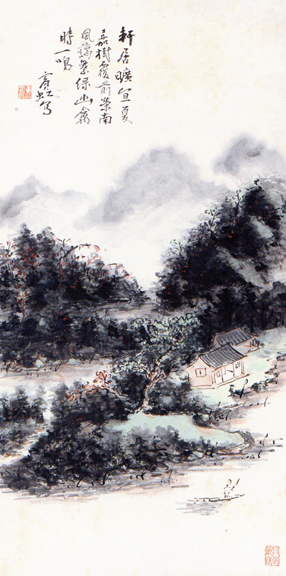
            接着,他又指着一幅黃賓虹的山水畫問我是甚麽。我聽了好笑又好氣,祗能按下表示無禮的回答,簡單地說,〝是山水風景〞。

            不料他卻無禮地發出狂笑,完了對我說:〝這那裡有甚麽風景?你不說我還以為是你哪位孩子用墨塗出來的抽象畫呢。對不起,我實在無法欣賞到美在哪裡。〞

            朋友是工商管理專門的教授,他所教的課程在六十年代還未吃香,而MBA熱浪亦未出現。我當時衝動地想教訓他一頓,叫他走出井底觀看天地。即時又可憐他和愛惜我們的同事關係,認識到我們畢竟生活在不同文化之中,就接受了他的言行了。

            後來我想,儘管我沒有對朋友表露惡意,自己當時還是苛刻的。他告別後是下午四時,冬天的屋外已是昏黑了。我試着不開燈看那張中堂,黑處盡黑,白處全空,要是不用心品味,看到的即如友人所得,是一幅潑墨抽象畫。

閱讀全文

WYKwinos Report No. 10

Date/Time: 11th November 2010, 7 p.m. (roughly 3 hours)

Place: 皇子海鲜酒家, near McCowan & Steeles

1st Bottle Cusumano Insolia
Varietal: Insolia Winery/Producer: Cusumano S.P.I.
Type: White Wine Year: 2009
Cost: $11.95 Region: Sicily, Italy
Food to pair: 黃旗班翅 LCBO #: 173336
Remarks: This wine is crafted 100% from the Insolia (aka Inzolia) grape, a Sicilian specialty. Medium straw-gold in colour, it serves up ripe pear, McIntosh apple, heady floral notes and hints of a briny sea breeze. Dry, medium bodied, textured and mouth-filling, with a gentle fruit core following through to a pleasantly refreshing finish. Enjoy as a sipper, or alongside chicken or pork kebabs with a pesto glaze.
2nd Bottle Pierre Sparr Gewurztraminer
Varietal: Gewurztraminer Winery/Producer: Maison Pierre Sparr & Successeurs
Type: White Wine Year: 2009
Cost: $16.50 Region: Alsace, France
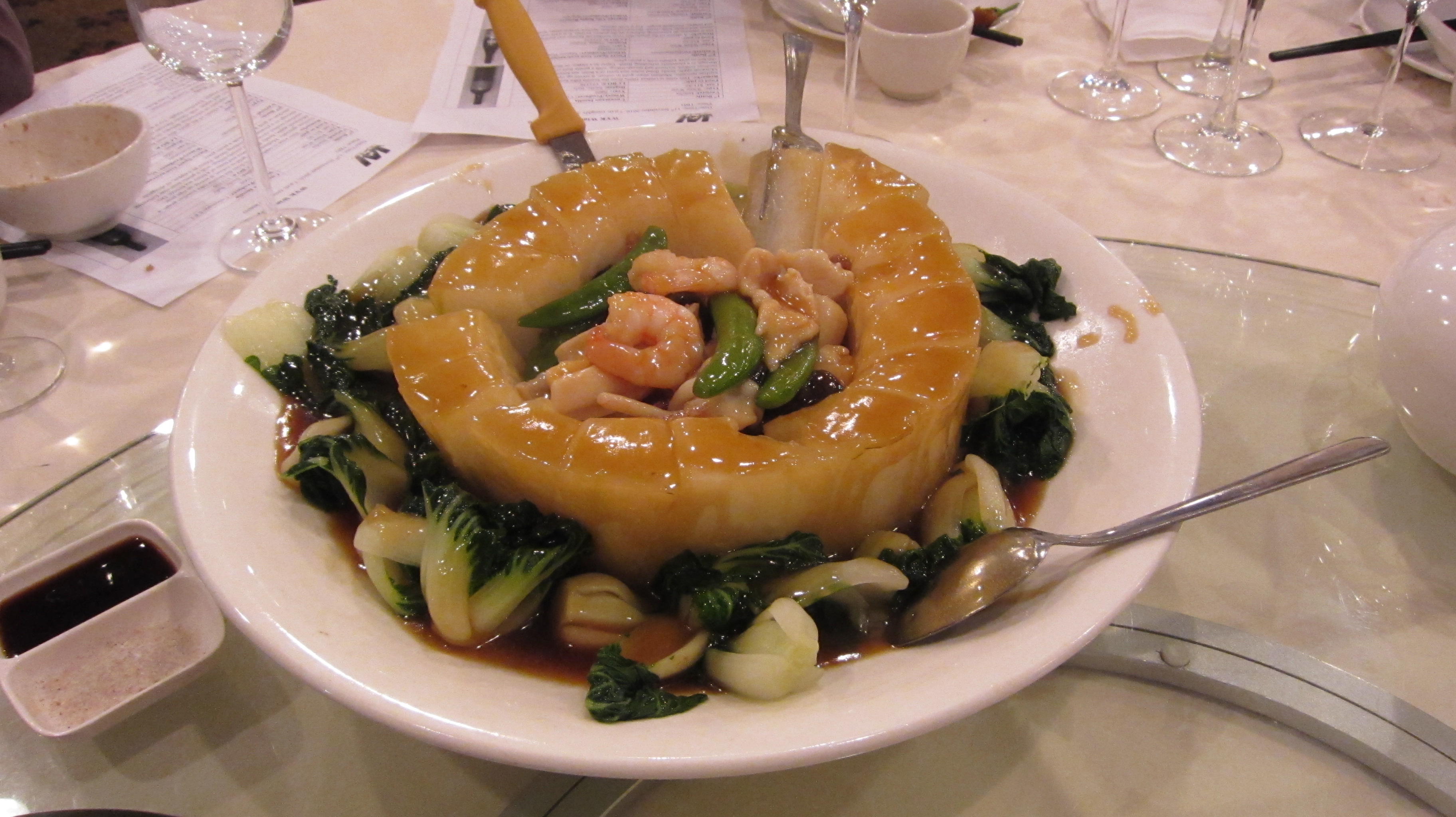
Food to pair: 冬瓜環 LCBO #: 373373
Remarks: A classic of the genre, this wine borders on blowsy and perfumed, but it captures an interesting delicacy on the palate, as well. It is a bit soft, sweet and warm, with classic flavours of lychee, apricot, yellow plum, honey and pepper. Excellent length. Try it with curries.
3rd Bottle Sogrape Vila Regia Reserve
Varietal: Touriga Nacional, Touriga Franca, Tinta Roriz, Tinta Barroca Winery/Producer: Sogrape
Type: Red Wine Year: 2008
Cost: $12.00 Region: Portugal
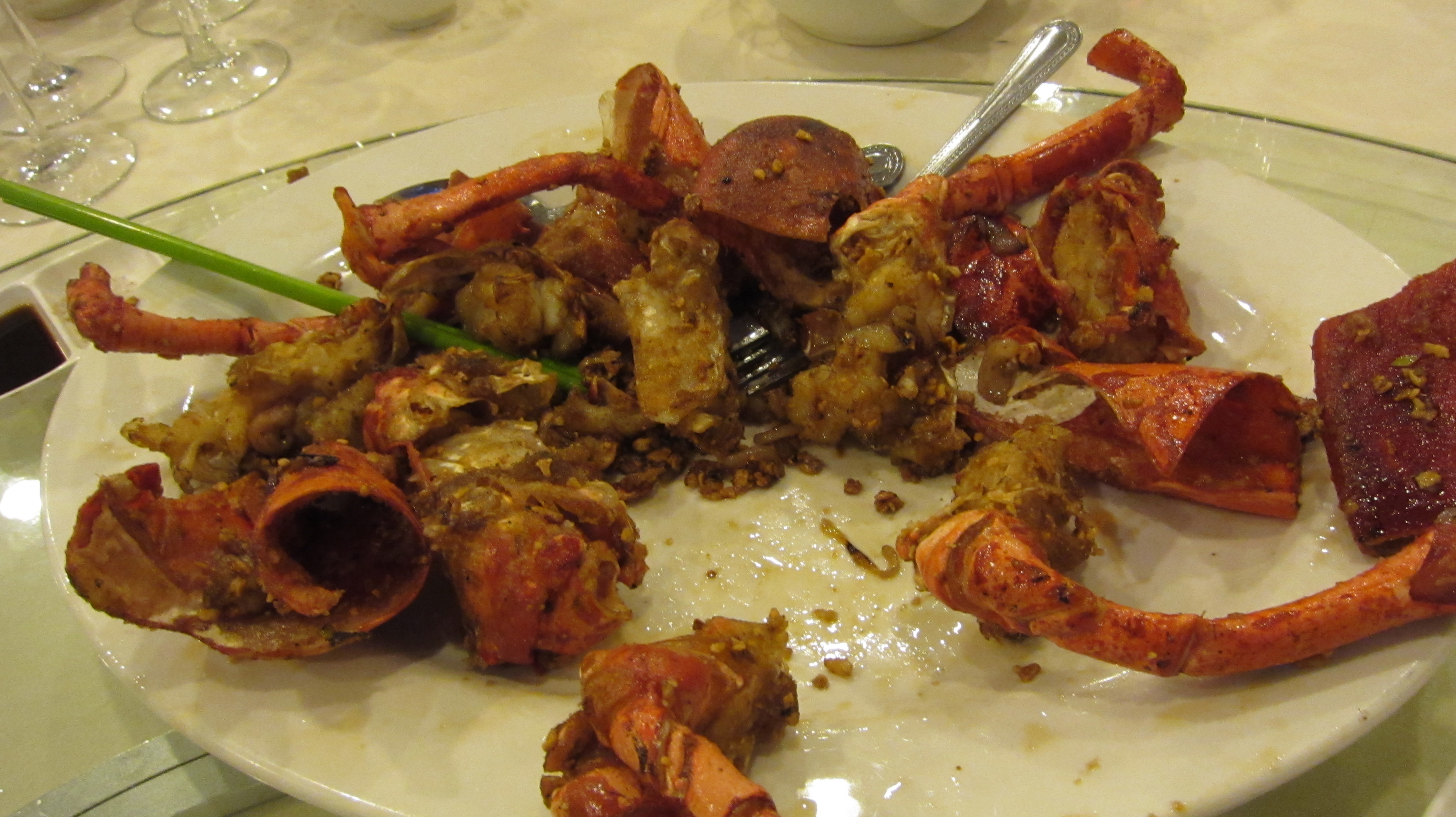
Food to pair: 美極龍蝦 LCBO #: 613950
Remarks: A substantial, maturing red with a complex nose of ripe, almost dried cherry, foresty cedar and earthy scents, licorice and some lifted oak spice. Medium-full bodied, fairly dense and well structured with dry tannin and firm acidity. But there is surprising flavour richness and density as well. Very good length.
4th Bottle Château De Fontenelles Cuvée Renaissance
Varietal: 55% Syrah, 30% Grenache, Carignan and Mourvedre Winery/Producer: Thierry Tastu
Type: Red Wine Year: 2006
Cost: $19.95 Region: Languedoc, France
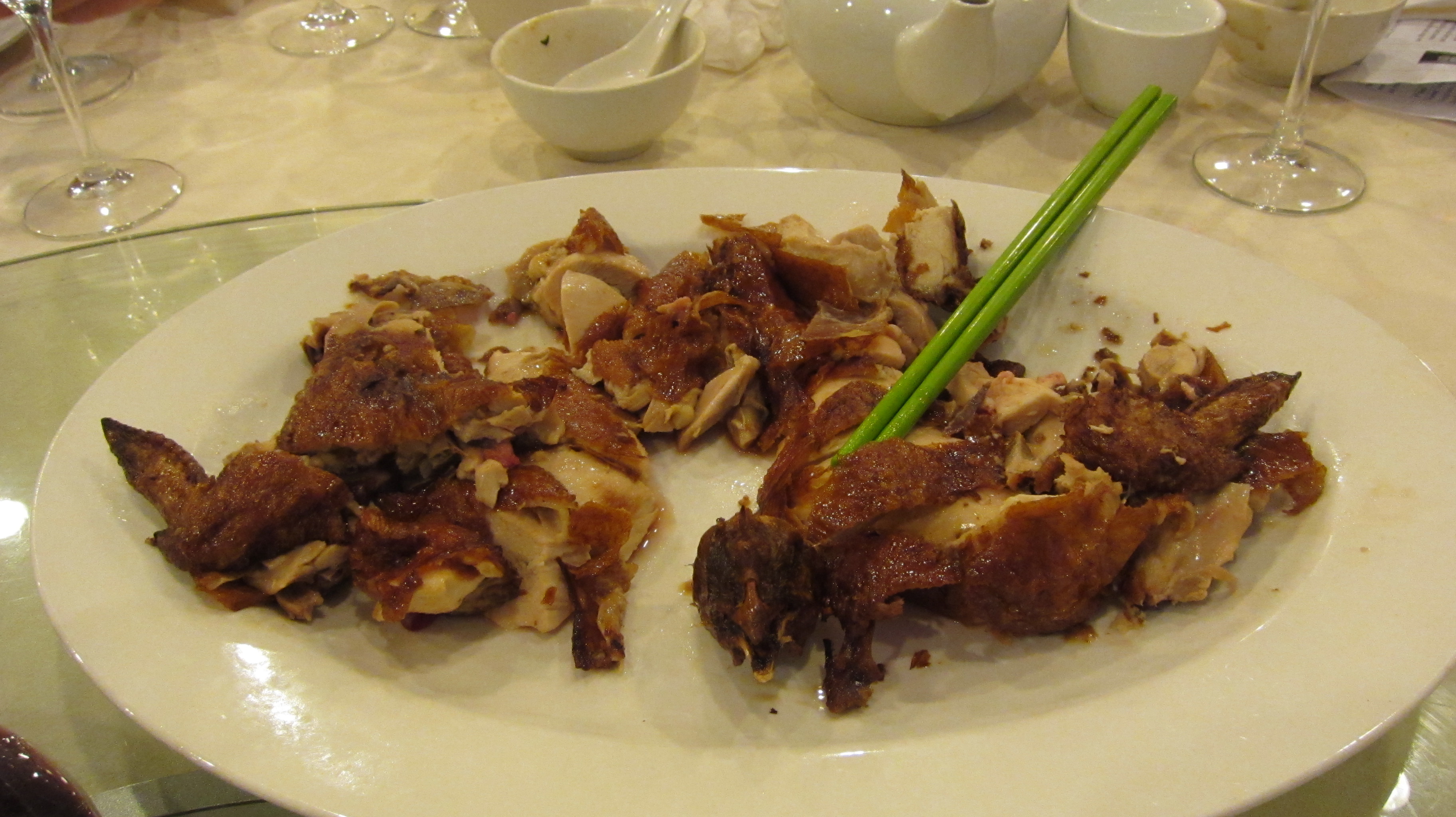
Food to pair: 炸子雞 LCBO #: 148692
Remarks: This blend, dominated by 55% syrah, will take you straight to the south of France. It really shows off the ripe, floral side of the variety with pronounced violets and candied violets, and beguiling sweet black berry and black raspberry character. The palate is fullish and framed by dusty tannins, while peppery flavours take over on the long finish. Tame the rustic edge with some protein and decant one hour before serving.Winner of a Gold Medal at the 2008 Concours des Grands Vins de France.
5th Bottle Grant Burge Miamba Shiraz
Varietal: Shiraz Winery/Producer: Grant Burge
Type: Red wine Year: 2008
Cost: $19.95 Region: South Australia, Australia
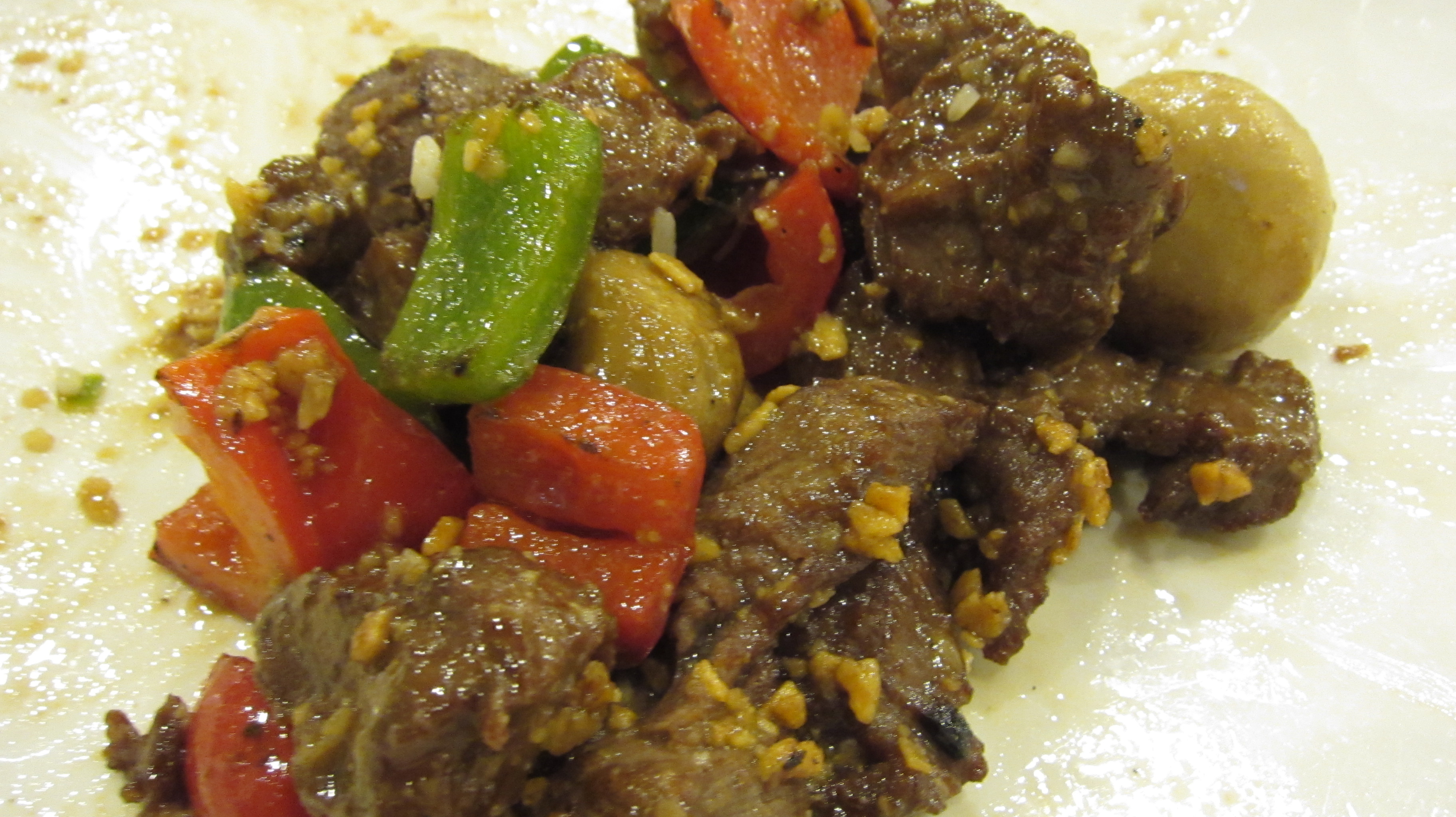
Food to pair: 蒜香蘑菇牛肉 LCBO #: 725127
Remarks: From a historic single vineyard at the southern end of the Barossa, this deep purple Shiraz is bursting with ripe berry, lifted floral and coconut aromas. This is a rich and opulent wine with a chewy texture, and ripe, juicy, mixed-berry and vanilla flavours balanced by firm, grainy tannins leading to a lengthy finish. It’s a ‘wow’ wine that always impresses. Decant and serve with rare roast beef au jus or rack of lamb, or cellar this big boy for up to 6 years.
Accompanying Dishes
黃旗班翅 冬瓜環 美極龍蝦
黃旗班翅 冬瓜環 美極龍蝦
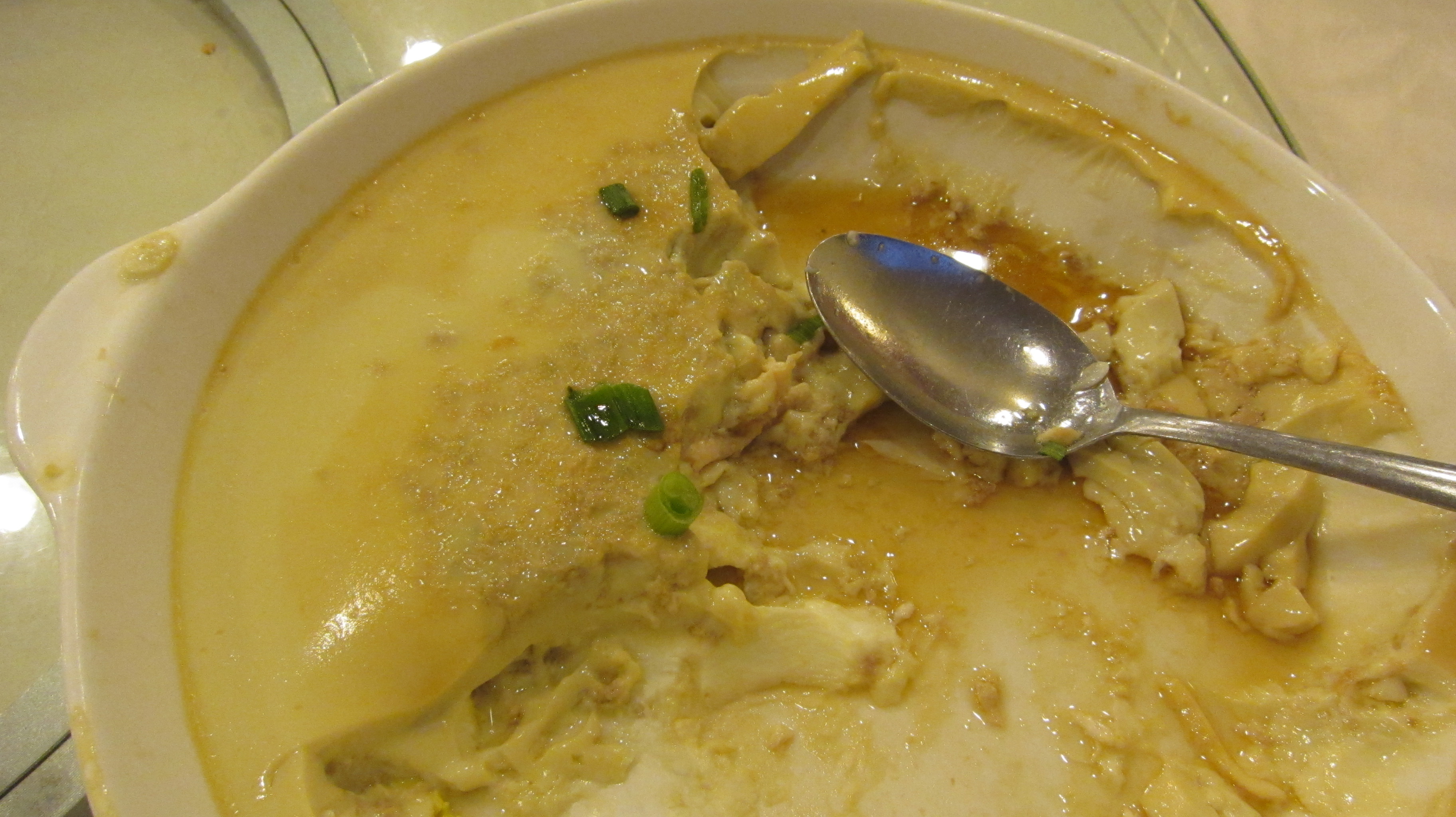
龍蝦膏蒸蛋 炸子雞 蒜香蘑菇牛肉
龍蝦膏蒸蛋 炸子雞 蒜香蘑菇牛肉

The Queen of the Night’s Aria from Mozart’s Magic Flute

莫扎特德文歌劇”魔笛”夜女皇咏嘆調

Soprano aria from The Magic Flute (German: Die Zauberflöte, K. 620), an opera in two acts composed in 1791 by Wolfgang Amadeus Mozart to a German libretto by Emanuel Schikaneder. The work is in the form of a Singspiel, a popular form that included both singing and spoken dialogue.

(http://en.wikipedia.org/wiki/The_Magic_Flute)

Aria setup: The aria forms part of the second act of the opera. It depicts a fit of vengeful rage, in which the Queen of the Night (soprano) puts a knife into the hand of her daughter Pamina and exhorts her to assassinate Sarastro, the Queen’s rival, on pain of denying and cursing Pamina if she does not comply. “The Queen of the Night Aria” is considered to be one of the most famous opera arias, highly memorable, fast paced and menacingly grandiose. (http://en.wikipedia.org/wiki/Der_H%C3%B6lle_Rache_kocht_in_meinem_Herzen)
Renditions by:

Edita Gruberova – http://www.youtube.com/watch?v=-HXHTHgNfnw&feature=related

Edda Moser – http://www.youtube.com/watch?v=ZFJiczQZwhY&feature=related

Natalie Dessay – http://www.youtube.com/watch?v=9qqDKUKvoIs&feature=related

Diana Damrau – http://www.youtube.com/watch?v=UXOYcd6KZ0E&feature=related

English translation by Aaron Green

(http://classicalmusic.about.com/od/opera/qt/derhollerache.htm)

Der Hölle Rache kocht in meinem Herzen,

The vengeance of Hell boils in my heart,
Tod und Verzweiflung flammet um mich her!
Death and despair flame about me!

Fühlt nicht durch dich Sarastro
If Sarastro does not through you feel
Todesschmerzen,
The pain of death,

So bist du meine Tochter nimmermehr.
Then you will be my daughter nevermore.

Verstossen sei auf ewig,
Disowned may you be forever,
Verlassen sei auf ewig,
Abandoned may you be forever,
Zertrümmert sei’n auf ewig
Destroyed be forever

Alle Bande der Natur
All the bonds of nature,

Wenn nicht durch dich!
If not through you

Sarastro wird erblassen!
Sarastro becomes pale! (as death)

Hört, Rachegötter,
Hear, Gods of Revenge,

Hört der Mutter Schwur!

Hear a mother’s oath!

Top 10 Reasons Why Man in Disguise

(Through Rose-Coloured Glasses)

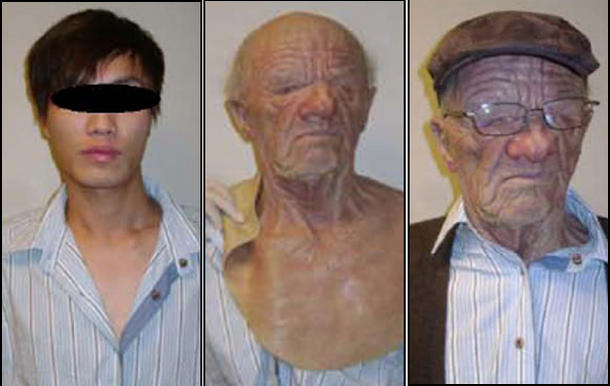
G&M — This bizarre case happened a week ago on an Air Canada flight from Hong Kong to Vancouver.

Several hours into the trip, a male passenger went into the bathroom elderly and white – his face wrinkled, eyes scrunched nearly shut, only a few wisps of white hair clinging to his otherwise bald scalp – and emerged a fresh-faced, young Asian.

The man is currently being detained by the Canadian Border Services Agency. He filed a refugee claim as soon as he arrived in Canada, according to the agency’s alert.

It is unclear how the man got through passport control or why he disguised himself to get on the plane.

Why? Here are  Top 10 Reasons Why.

1. That is Tom Cruise’s test run for Mission Impossible 4
2. He forgot to take off his Halloween costume before boarding the plane. He was on his way to the Campbellford Halloween party
3. Canada Custom missed out on all the other young looking guys on the plane. A strange thing happened while crossing all the different time zones.
4. Another time Traveler, just returning from “Back to the Future”/ Chaplin’s Circus
5. It’s Iggy the Superman, caught in the process of changing identity/costume, trying to boost up his poor ratings (see picture below)
6. A once in a lifetime tour from HK. The Trip of the Fountain of Youth. Boarding as an old man and got off the plane  a young guy. A dream for us baby boomers comes true. Thank you fairy godmother!
7. Air Canada, I demand to know what the flight number is. When is the next flight?
8. The Curious Case of Benjamin Button.
9. 時光倒流 兒時可再 以此與為證印者矣
10. !@#$%&* I can do anything I want. 「我爸是李剛!」

Hey, wait a minute, just read the other article, My Mediterranean Cruise. Here is the actual reason.

11. It’s John Fung, just back from his Mediterranean Cruise. In his own words: “I traversed over 6000 years of history and witnessed the grandeur of four magnificent civilizations: Egyptian, Greek, Roman and Byzantine.”  There, I rest my case.

My Mediterranean Cruise

by John Fung (65)

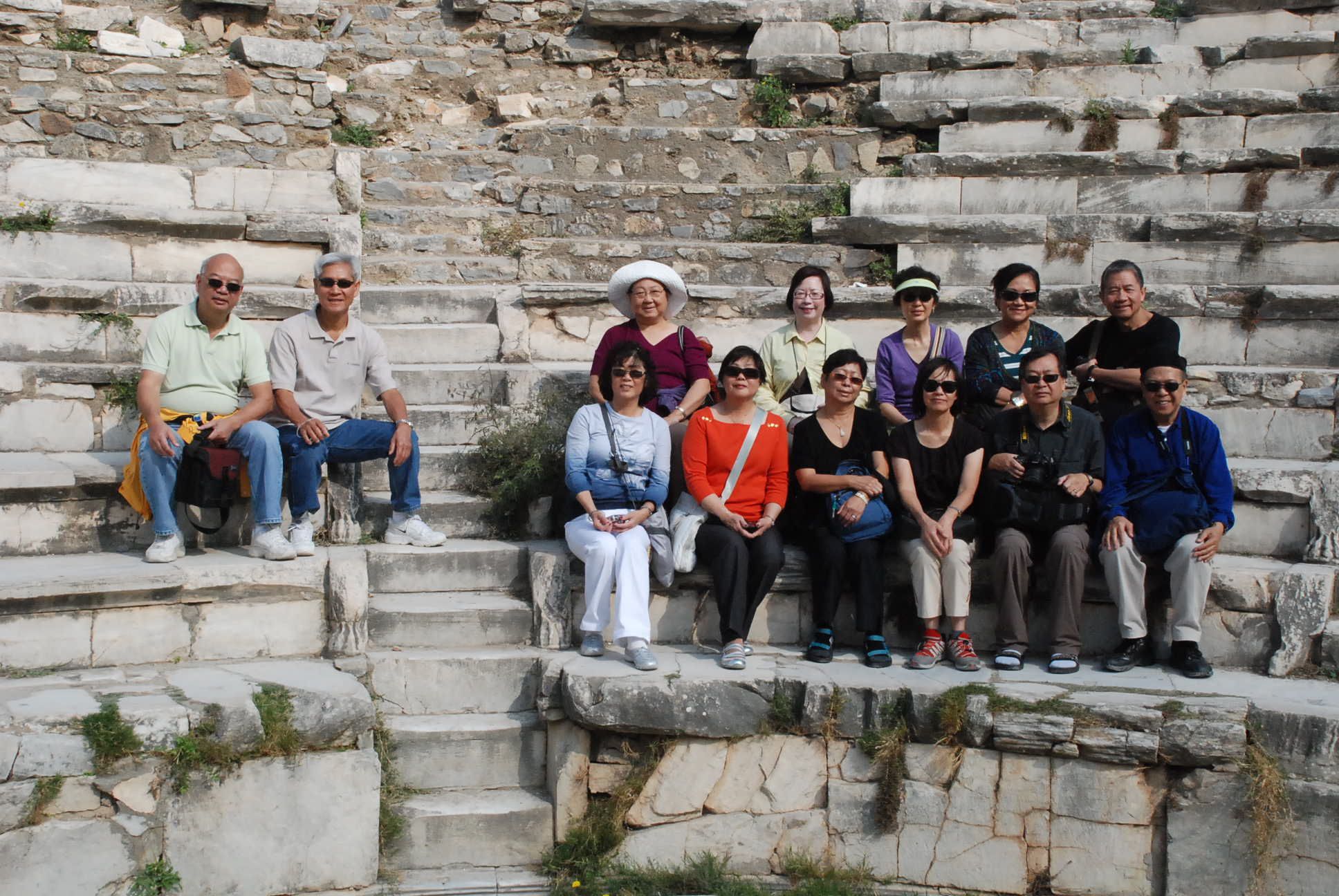
at Ephesus

at Ephesus

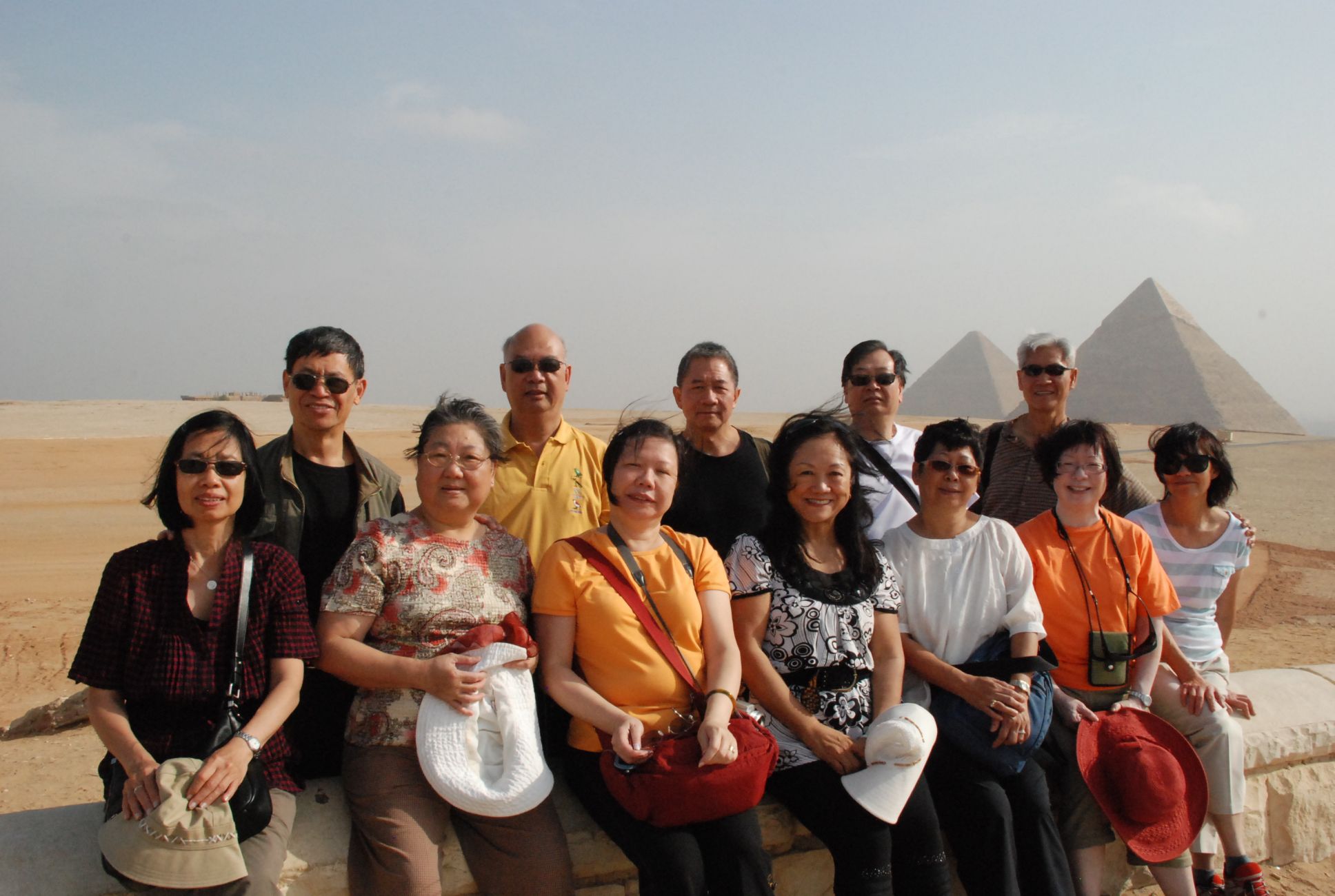
In the two weeks during the cruise to Egypt and Aegean Sea, I traversed over 6000 years of history and witnessed the grandeur of four magnificent civilizations: Egyptian, Greek, Roman and Byzantine. These ancient societies clearly showed their culmination of wisdom, intelligence, knowledge and technology through experimentation and learning. Equally, they demonstrated human foibles and our arrogance in believing might is right, and that might transcends us to a god-like level.

In the spirit of experimentation, I travelled with my group on Metropolitana in Rome for 1 euro a ticket, on the Athens Subway in Piraeus for 3 euro a day pass, and the modern trams in Istanbul for 1.5 Turkish Lira (about US$1 at time of writing) a token. All it took was a bit of adventurous courage to learn how to buy the fare and to navigate the network of stops. Of course, having the right change helps.

at Giza

at Giza

Indisputably, rich dishes prepared by masters for the Chef’s Table and for the dinner at Sabatini were sophisticated as well as luxurious. Yet simple, local food made by natives was similarly enjoyable and tasty. I recall with fond memories the rigatoni and roast pork from the tavern next to Trevi Fountain in Rome, the kofta and firaakh mashwi from the garden eatery in Cairo, the various types of fish from the waterfront café in Kusadasi, the fried kibbeh filled with minced beef and şeftali kebabı from the restaurant in Istanbul, and the grilled mackerel from the family-run Old Baker’s in Piraeus. Continue reading

同檯食飯

(Through Rose-Coloured Glasses)

世界上萬事萬物, 都有其模式, 連餐館食客座位法, 也有其一定形式。

先説那邊的一對。卡座本来都是兩邊的, 濶濶落落, 但他們倆卻要迫到一邊来, 肩碰肩, 糖黏豆般貼在一起, 這是孖公仔式情侶座位法。

但那廂又不同了。還是男女一對, 就各佔卡位一邊, 正襟危坐, 中規中矩的。一望而知, 他們是第一次初會, 是初哥座位法。慢慢来, 希望有一天, 也能變成靠邊坐,單一卡位。

再遠些, 就是小家庭座位法。一家四口, 佔一張四方桌, 嘈吵得不亦樂乎, 爸媽都忙着喂孩子, 一分鐘要汔水, 另分鐘卻要上厠所去。飯菜弄滿一檯一地, 受侍者之冷眼而還不自覺。

另一張大圓檯, 圍滿了食客, 男女老幼, 不下十多人, 都擁擠到這張檯来。大家手肘碰着手肘, 互相牽制, 連起筷也有點困難。但這是大家庭制, 全家福座位法, 要濟濟一堂, 不容分開的。

在那角落, 只見兩大份報紙, 遮在面前。一對中年男女, 南北兩方, 各自為政。此是無聲勝有聲的老夫老妻座位法。説話多年以前早巳交待清楚, 現在一切都是盡在不言中。

在貴賓廳裡, 傳来陣陣笑聲, 喧閙聲, 猜拳聲, 真是熱鬧萬分。加上衣冠繽影, 珠光寶氣, 人影叢叢, 這是大排延席, 豪門盛宴的座位法。

但在另一角落, 就顯得很清淨了, 只有一個人, 自傾自飲, 也是其樂融融, 不覺寂寞, 此是獨行俠座位法。

那邉卻是個奇異組合。在一大圓檯, 就坐了三組人搭檯。大家互不理睬, 我行我素, 實行與外界隔絕, 正所謂: 同檯食飯, 各自修行也。