“Vesti la giubba” [穿上你的戏服] Ruggero Leoncavallo (1857-1919; It.)

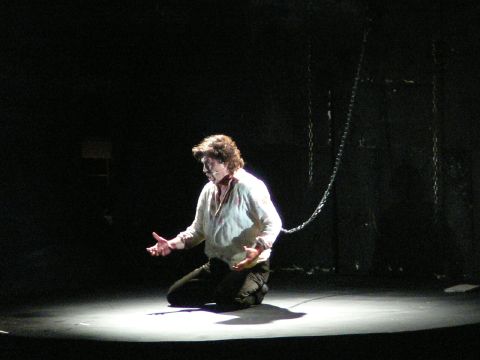
Vesti la giubba (Put on the costume) is a famous, moving and passionate tenor aria of the opera I Pagliacci (The Clowns), written and composed by Ruggero Leoncavallo.

Aria introduction: The actor, Canio, discovers his wife’s (Nedda’s) infidelity, but still must prepare for his performance as Pagliaccio the clown because ‘the show must go on’.

Historical recordings by Enrico Caruso:  http://www.youtube.com/watch?v=RL7wdUPXpiM

An outstanding performance of the scene by Franco Corelli in 1954:

http://www.youtube.com/watch?v=EIVbZtwRqIM&feature=related

Tr. YK Chan 陈耀国译

Recitar! Mentre preso dal delirio, 演戏吧! 在迷妄中,
non so più quel che dico, 我已不晓得自己说什么
,
e quel che faccio! 做什么!

Eppur è d’uopo, sforzati!
但是, 我仍然要尽力而为!
Bah! Sei tu forse un uom? ! 你还不是个男子汉吗
?
Tu se’ Pagliaccio! 你是个小丑!


Vesti la giubba, 穿上你的戏服,
e la faccia infarina. 涂上你的脸粉.

La gente paga, e rider vuole qua.
人们付了钱, 都想在此笑一顿.
E se Arlecchin t’invola Colombina, 若果那丑角偷去你的爱人
,
ridi, Pagliaccio, e ognun applaudirà! 笑吧, 小丑, 观众便会喝彩
!
Tramuta in lazzi lo spasmo ed il pianto 把你的悲叹和眼泪变作玩笑,

in una smorfia il singhiozzo e ‘l dolor, Ah! 哀痛和饮泣变作笑脸, !

Ridi, Pagliaccio, 笑吧, ,
sul tuo amore infranto!
笑你破碎了的爱!
Ridi del duol, che t’avvelena il cor! 笑毒害了你心脏的哀伤!

“L’Autunno” Antonio Vivaldi (1678 – 1741)

(意) 安东尼奧.菲凡尔迪

Click this photo to see the shimmering reflection

For introduction, see “La Primavera” Antonio Vivaldi (1678-1741)

Shlomo Mintz (violin solo) performing Vivaldi’s Four Seasons: L’Autunno

Autumn I Allegro: http://www.youtube.com/watch?v=iEheBo1s7DE; II Adagio molto: http://www.youtube.com/watch?v=yUut2YZtm7E;

III Allegro: http://www.youtube.com/watch?v=f285bKjQ_Qo

Tr. YK Chan 陈耀国译

Allegro
Celebra il Vilanel con balli e Canti
Del felice raccolto il bel piacere
E del liquor de Bacco accesi tanti
Finiscono col Sonno il lor godere

快板

农夫高歌起舞庆祝

丰收的欢乐.

很多人借助酒神

以恬睡来完结他们的狂欢.

Adagio molto
Fà ch’ ogn’ uno tralasci e balli e canti
L’ aria che temperata dà piacere,
E la Staggion ch’ invita tanti e tanti
D’ un dolcissimo Sonno al bel godere.

非常慢板

人人都歌舞忘忧

沉醉在欢乐的气纷中.

秋季也唤请了许多人

从甜睡中醒来欢乐.

Allegro
I cacciator alla nov’ alba à caccia
Con corni, Schioppi, e canni escono fuore
Fugge la belua, e Seguono la traccia;
Già Sbigottita, e lassa al gran rumore
De’ Schioppi e canni, ferita minaccia
Languida di fuggir, mà oppressa muore.

快板

猎人都在黎明出动,

带着号角和猎枪,领着猎犬狩猎.

野兽逃跑, 他们追踪;

在恐惧和恹惓下及震耳的枪声狗吠声中,

猎兽受了伤, 在胁迫下软弱逃生.
但终于在困扰中死亡.

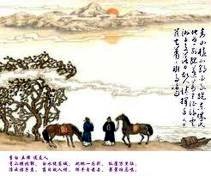
送友人 (唐) 李白

 
送友人                                   Farewell to A Friend                             
李白                                        Li Bai (701-762)
                                                tr. YK Chan 陳耀國譯

青山横北郭,白水绕东城。 Green hills traverse the northern outskirts; glistening water meanders to city east.   
此地一为别,孤蓬万里征At this departure point, you as a lone sail navigate ten thousand li at least.
浮云游子意,落日故人情。 A wanderer drifts like clouds, till sunset he recalls old friends and deeds.
挥手自兹去,萧萧班马鸣。 Waving good-bye to you from here, neighing too are our riding steeds.

E lucevan le stelle–tenor aria from Puccini’s “Tosca”

E lucevan le stelle is the romanza of Mario Cavaradossi in act III of Tosca, the opera composed by Giacomo Puccini to an Italian libretto by Luigi Illica and Giuseppe Giacosa. It is sung by Tosca’s lover, the painter Mario Cavaradossi (tenor), while awaiting his imminent execution by firing squad.

Video sampler: Salvatore Licitra (tenor) http://www.youtube.com/watch?v=4qgIG3jw-rw

Tr. YK Chan 陈耀国译

Cavaradossi imprisoned

E lucevan le stelle, 星光在这儿闪亮过,

ed olezzava la terra 那里又有土香的气息.

stridea l’uscio dell’orto 果园的闸门在响动,

ed un passo sfiorava la rena. 脚步轻轻的印在沙地上.

Entrava ella fragrante, 她随着芬芳的香味进,

mi cadea tra le braccia 投入我的怀抱.

O dolci baci, o languide carezze, ! 甜蜜的吻! ! 延绵的拥抱!

mentr’io fremente 我战战兢兢,

le belle forme disciogliea dai veli! 慢慢地开启她绝丽的美貌!

Svanì per sempre il sogno mio d’amore. 现在, 我梦中的爱人已永远消失了.

L’ora è fuggita, e muoio disperato! 我的时辰已到, 就是我绝望的死亡时刻.

E non ho amato mai tanto la vita! 同时, 我从来没有如此热爱过生命!

上海地鐵在車廂內展出的四首英國詩(2006)


 《天真的预示》,威廉•布莱克 (宗白华 译) 

Auguries of Innocence, William Blake (1757-1827) 

To see a world in a grain of sand 

And a heaven in a wild flower, 

Hold infinity in the palm of your hand, 

And eternity in an hour. 


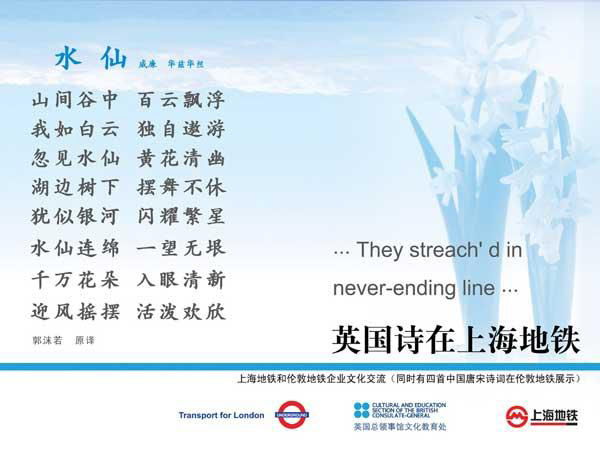
《水仙》,威廉•华兹华斯 (郭沫若 译)
 

 Daffodils, William Wordsworth (1770-1850)

I wandered lonely as a cloud
That floats on high o’er vales and hills,
When all at once I saw a crowd,
A host, of golden daffodils;
Beside the lake, beneath the trees,
Fluttering and dancing in the breeze.

 
Continuous as the stars that shine
And twinkle on the Milky Way,
They stretched in never-ending line
Along the margin of a bay:
Ten thousand saw I at a glance,
Tossing their heads in sprightly dance.

《夜飲子愷先生家》 蘇步青 (1902-2003)

草草杯盤共一歡
莫因柴米話辛酸
春風已綠門前草
且耐餘寒放眼看

Sharing a Meal with Feng Zhi Kai    Su Bu Qing (1902-2003)   江紹倫譯

Happy moments together we delight in sharing simple dishes
Fuel and rice worries will not make us complain of our distress
Vernal breezes are greening the grass in front of our door
Let us endure the remaining cold to see winter no more

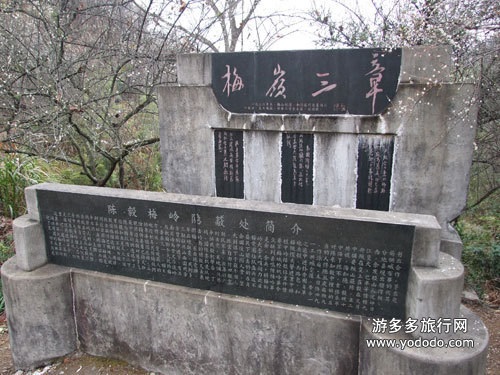
《梅岭三章》陈毅(1901~1972)__ 江紹倫譯

〔三〕
投身革命即为家ChenNgai
血雨腥风应有涯
取义成仁今日事
人间遍种自由花

[一九三六年冬,梅山被围。余伤病伏丛莽间二十余日,
虑不得脱,得诗三首留衣底。旋围解。]

《Poems for Plum Mount — 3》by Chen Yi 江紹倫譯MeiLing3verses

Joining the revolution it is our home
Bloody rains and smelly winds are endured for a goal
To die for a noble cause benefiting the people is a daily reality
Among our people we pledge to plant flowers of freedom eternally

《卜算子 咏梅》一九六二年十二月 毛泽东(1893~1976)

读陆游咏梅词,反其意而用之。春梅

风雨送春归
飞雪迎春到
已是悬崖百丈冰
犹有花枝俏

俏也不争春
只把春来报
待到山花烂漫时
她在丛中笑

陆游《卜算子; 咏梅》

驿外断桥边
寂寞开无主
已是黄昏独自愁
更著风和雨

无意苦争春
一任群芳妒
零落成泥辗作尘
只有香如故

Ode to the Plum Blossom (Written in 1961) by Mao Zedong  江紹倫譯
Tune: Song of Divination

Wind and rain sent spring away
Snowflakes welcome spring back to stay
When icicles a thousand feet hang on cliffs high
There a single flower stands cute and bright

Cute and bright she intends not to possess spring alone
But content serving as harbinger for the first season
When the hills are filled with other flowers in bloom
She will smile in their midst satisfaction owned

改西乡隆盛诗赠父亲 (1909年) 毛泽东(1893~1976)

孩儿立志出乡关
学不成名誓不还
埋骨何须桑梓地
人生无处不青山

[西乡隆盛(日本明治维新时期的著名武将)

日本西乡隆盛的原诗:

男儿立志出乡关
学不成名死不还
埋骨何须桑梓地
人生无处不青山]

To My Father (Written in 1909) by Mao Zedong   江紹倫譯

Your son feels necessary to leave this our ancestral village
I will not return until fame has become part of my vestige
One’s bones could find a burial place anywhere seen
For a striving man hills everywhere are equally green