《Daisy’s Song 》by John Keats (1795-1821/London/England) __ 江紹倫譯

The sun, with his great eye,
Sees not so much as I;
And the moon, all silver, proud,
Might as well be in a cloud.

And the spring — the spring!
I lead the life of a king !
Couch’d in the teeming grass,
I spy each pretty lass.

I look where no one dares,
And I stare where no one stares,
And when the night is nigh,
Lambs bleat my lullaby.

 《雛菊的歌 》    約翰‧濟慈                             

眼睛巨大的太陽
不如我看得多
銀色驕傲的月亮
即如被罩在烏雲裡

春天啊春天
我活得瀟洒如皇帝
我閒坐在茂草之中
窺見每一位漂亮姑娘

我看無人敢看的方向
凝視無人所敢凝視
當黑夜來臨向我親近
羔羊即為我把催眠曲歌唱

《On Death》by John Keats (1795-1821 / London / England) __ 江紹倫譯

Can death be sleep, when life is but a dream,
And scenes of bliss pass as a phantom by?
The transient pleasures as a vision seem,
And yet we think the greatest pain’s to die.

How strange it is that man on earth should roam,
And lead a life of woe, but not forsake
His rugged path; nor dare he view alone
His future doom which is but to awake.

《死亡》  約翰‧濟慈                            

當生命是夢死亡可能是睡眠嗎
幸福的歡樂可是幻影的過去
瞬間的愉悅似是過眼雲煙
我們卻確認死亡是最大的痛苦

人生在世要流浪是一樁奇事
要渡過一些悲慘也不願拋棄
一路坎坷也不敢靜自思量
將來的死只是一種醒覺

《Bright Star》by John Keats (1795-1821 / London / England) __江紹倫譯

Bright star, would I were stedfast as thou art–
Not in lone splendour hung aloft the night
And watching, with eternal lids apart,
Like nature’s patient, sleepless Eremite,
The moving waters at their priest-like task
Of pure ablution round earth’s human shores,
Or gazing on the new soft-fallen mask
Of snow upon the mountains and the moors–
No–yet still steadfast, still unchangeable,
Pillow’d upon my fair love’s ripening breast,
To feel for ever its soft fall and swell,
Awake forever in a sweet unrest,
Still, still to hear her tender-taken breath,
And so live ever–or else swoon to death.

《明星》   約翰‧濟慈                             

明星我願學你一樣堅定
但不學你長夜孤懸中天獨明
睜着一雙永不閉合的眼睛
像大自然中忍耐不眠的隱士
流水像傳教士般執着奔流
用聖潔清水滌淨人世海岸
或者守望那輕飄下降的初雪
為山峯和原野載上柔軟的面幕
啊我不願但仍然堅定不移
緊貼着愛人成熟中的酥胸
在甜蜜中享受它柔和地起伏
永恒清醒地受着甜蜜的騷動
我必要必要傾聽她溫柔的呼吸
如是永生或者在昏醉中死亡

“Celeste Aïda” Antonio Ghislanzoni (1824-93)

Tenor aria1 from Verdi’s opera “Aïda”

Tr. YK Chan 陈耀国译
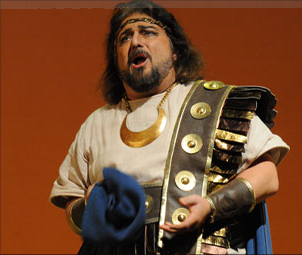
Ramades, Egyptian general, tenor

天堂般美的阿伊达            (意) 安东尼奧.吉斯兰索尼 谱词

芃尓第歌剧<阿伊达>男高音詠叹調

Se quell guerrier io fossi!                  假若我是那亇战士!

Se il mio sognosi avverasse!…           假若我的夢想成真!

Un esercito di prodi                           一支勇武的兵团

Da me guidato…e la vittoria…          受我指挥…又获胜利…

E il plauso di Menfi tutta!                  又获全曼菲城的拥戴!

E a te, mia dolce Aïda, tornar           与及你阿伊达,让我回到你可爱的身旁

Di lauri cinto…                                   戴着橄欖冠…

Dirti: per te ho pugnto,                      我告诉你:我为你而战,

Per te ho vinto!                                     为你获胜!

Celeste Aïda, forma divina,                天堂般美的阿伊达,天赐的形象,

Mistico serto di luce e fior,                 神秘光辉花环,

Del mio pensiero tu sei regina,          你是我思念中的女皇,

Tu di mia vita sei lo splendor.           你是我生命的光彩。

Il tuo bel cielo vorrei ridarti,            我会还你可愛晴空,

Le dolci brezze del pario suol;          和你乡土上的和风;

Un regal serto sul crin posarti,         给你戴上髮顶的皇冠,

Ergerti un trono vicino al sol.            给你迠立邻近太阳的皇座。

____________________________________

1 Sung by the Canadian tenor, Jon Vickers: http://www.youtube.com/watch?v=5Nsi3kGjxnE

By the Swedish tenor Jussi Björling:

http://www.youtube.com/watch?v=UsVIWXEw8EE

Trivia: Sophia Loren played the title role of the Ethiopian princess, Aïda, in a 1953 Hollywood film.  See http://www.imdb.com/title/tt0045483/
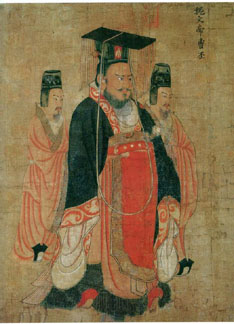
短歌行 (魏晋) 曹丕 (186-226)

曹丕

短歌行       (魏晋) 曹丕 (186-226)

仰瞻幃幕,俯察幾筵,其物如故,其人不存。神靈倏忽,棄我退遷,靡瞻靡恃,泣涕漣漣。呦呦遊鹿,銜草鳴鹿,翩翩飛鳥,挾子巢栖。我獨孤煢,懷此百離,憂心孔疚,莫我能知。人亦有言,憂令人老,嗟我白髮,生一何早。長吟永歎,懷我聖考。曰仁者壽,胡不是保。

A Short Song      Cao Pi (186-226)                    江紹倫譯

(To My Father)

I raise my eyes to see the screens
I lower my eyes his table is so clean
Everything is intact as before
Alas the master is here no more
All in a sudden his soul has flown
I am fatherless all alone
Who will I look up to lead me grow
I weep my tears incessantly flow
Deers bleat hither and yonder
They nurse the young they care
Birds fly here and there
They protect their young in the nest
I alone am desolate and in despair
Severed from a father I so revere
Deep in my heart my grief overflowed
A hurt no one but I can know
Behold the effects of change had been told
That sorrow makes us old
Behold how my hair is greying in haste
Is it not early for a man of my age
Loudly I wail and bleakly I sigh
To my father’s sudden decease I inquire
They say longevity favours those who are kind
Why should my father die

風入松 (南宋) 吳文英 (1200-1260)

風入松           (南宋) 吳文英 (1200-1260)

聽風聽雨過清明
愁草瘗花銘
樓前綠暗分攜路
一絲柳
一寸柔情
料峭春寒中酒
交加曉夢啼莺

西園日掃林亭
依舊賞新晴
黃蜂頻撲秋千索
有當時
纖手香凝
惆悵雙鴛不到
幽階一夜苔生

Tune:  Wind Through Pines     Wu Wen Ying (1200-1260) 江紹倫譯

Hearing the wind and drizzles in Qing Ming
Amid wild grass and flowers your elegy ring
We parted on the dark-green road by the bower
Each thread of willow
Each measure of tender feeling
I drown my grief with wine this chilly spring
Drowsily I awake as orioles sing

I sweep the West Garden grounds clean every day
To watch the fine view with you like in old days
Even wild wasps kiss the swing ropes where they alight
The sweet scent of your tender hands remain
In grief I look for traces of your ‘broidered shoes in vain
The vacant steps gathered moss through the night

憑欄人 (元) 喬吉 (1280-1345)

憑欄人            (元)  喬吉(1280-1345)

金陵道中

瘦馬馱詩天一涯
倦鳥呼愁村數家
撲頭飛柳花
與人添鬓華

On My Way to Jinling        Qiao Ji   (1280-1345)

Tune: By the Railing              江紹倫譯

Lugging this load of poetry far I have strayed
Weary birds are wailing with me on my way
How willows shed their catkins to freely fly
As if to help my head’s grey shine

浣溪沙 (南宋) 吳文英 (1200-1260)

浣溪沙           (南宋) 吳文英 (1200-1260)

門隔花深舊夢遊
夕陽無語燕歸愁
玉纖香動小簾鈎

落絮無聲春墜淚
行雲有影月含羞
東風臨夜冷于秋

Tune: Silky Brook Sands       Wu Wen Ying (1200-1260) 江紹倫譯

I paced amid the flowers beyond the gate like in old dreams
The setting sun silently welcomes home doleful swallows
Your perfumed hand unhooked the curtain to close our window

Falling leaves quietly weep over the departing spring
Passing clouds cast shadows to veil a moon so bashful
Why the e’ning east wind is chill like an autumn blast

“Sempre libera” libretto by Francesco Maria Piave (1810-76)

Greta Garbo in "Camille" as Marguerite (=Violetta in "La Traviata")

Soprano aria from Verdi’s opera La Traviata

时常自由自在                      (意) F.M.1皮亚费 谱词

[梵尔第歌剧<茶花女>的女高音咏叹調2]

Tr. YK Chan 陳耀国译

Gioia!…Gioia!…                                                     欢乐吧!…欢乐吧!…     

Sempre libera degg’io                                      我必须时常自由自在    

Foleggiare di gioia in gioia,                          於欢乐中來去雀躍,

Vo’ che scorra il viver mio                               我愿旋滑在生命

Pe’ sentieri del piacer.                                        享乐的途径。

Nasca il giorno, o il giorno muoia,                无论是日出日落,

Sempre lieta ne’ ritrovi,                                     在交际会內时常寻欢,

A diletti sempre nuovi                                        常到新鲜的欢乐景界

Dée volar il mio pensier.                                    我的感想随此飛达。

 ________________________________

1 Francesco Maria 法兰车斯高.马里亚

2 Sung by Maria Callas–  http://www.youtube.com/watch?v=N1Vof_gHnNs

                Anna Netrebko–  http://www.youtube.com/watch?v=SSPK7Ayuw3s

《Ode To Psyche》 by John Keats (1795-1821) __ 江紹倫譯

(title line from the original manuscript of ‘Ode to Psyche’

《心靈頌》  約翰‧濟慈              

O Goddess! hear these tuneless numbers, wrung 啊女神請聽這些由甜蜜記憶譜成
By sweet enforcement and remembrance dear, 不成韻調之歌
And pardon that thy secrets should be sung 請原諒歌聲揭露你的秘密
Even into thine own soft-conched ear: 衝着你的耳輪細訴
Surely I dreamt to-day, or did I see 我今天真的夢着或是親睹
The winged Psyche with awaken’d eyes? 這睜眼的展翅心靈
I wander’d in a forest thoughtlessly, 我不經心地漫步林間
And, on the sudden, fainting with surprise, 突然的驚奇使我目眩失神
Saw two fair creatures, couched side by side 眼前有兩個精靈互相依偎
In deepest grass, beneath the whisp’ring roof 在細語樹葉下的草叢深處
Of leaves and trembled blossoms, where there ran 還有那顫動着的盛開花叢
A brooklet, scarce espied 不受注意的緩緩溪流 Continue reading →